
Disposable Vapes: Understanding Their Design, Use, and Environmental Considerations
Disposable vapes are single-use electronic devices designed to deliver an aerosol from a pre-filled liquid until the battery or liquid is depleted. They are widely discussed in the context of consumer technology, public health, environmental sustainability, and regulatory policy. Modern disposable devices vary in design, battery capacity, flavor options, and technical features, depending on the manufacturer and local regulations.
Researchers and public health organizations continue to study the potential health effects of vaping, patterns of use among different age groups, product safety, and environmental impacts associated with battery and electronic waste. Because regulations differ between countries and regions, consumers should understand the laws that apply where they live and follow local guidance regarding the sale, use, and disposal of these products.
Educational resources on disposable vapes often explore topics such as device technology, aerosol chemistry, battery safety, recycling challenges, and current scientific research. Staying informed through evidence-based information can help individuals better understand the evolving landscape of electronic nicotine delivery systems and related public health considerations.
Disposable Vapes, Electronic Cigarettes, Vaping Devices, Vape Technology, Public Health, Aerosol Research, Battery Safety, Electronic Waste, Environmental Impact, Consumer Education, Regulatory Information, Scientific Research.


Disposable Vapes


Disposable Vapes
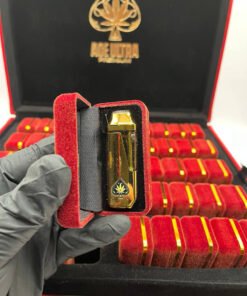

Disposable Vapes


Disposable Vapes


Disposable Vapes


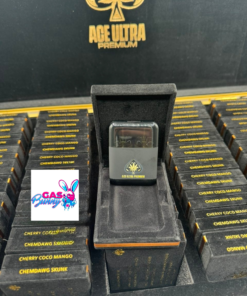

Disposable Vapes


Disposable Vapes
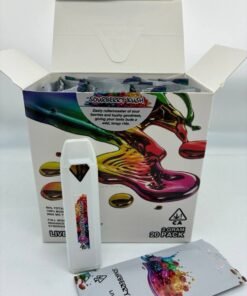
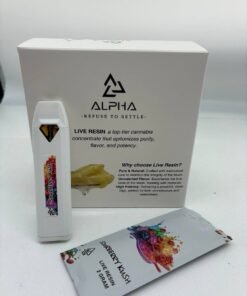
Disposable Vapes


Disposable Vapes

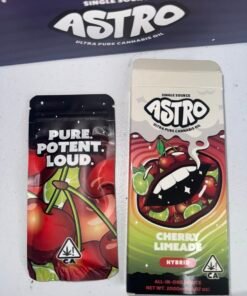
Disposable Vapes
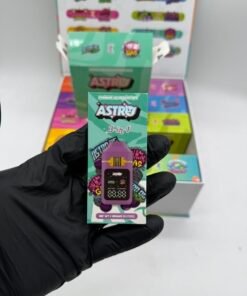

Disposable Vapes