
3G Disposables: Understanding High-Capacity Disposable Vapor Devices and Scientific Research
3G disposables generally refer to high-capacity disposable vapor devices designed with a larger reservoir than many standard disposable products. Researchers study these devices in the fields of aerosol science, analytical chemistry, engineering, toxicology, and public health to better understand their design, materials, aerosol generation, battery performance, and environmental impact.
Scientific evaluation of disposable vapor devices includes laboratory testing of aerosol emissions, heating element performance, battery safety, material composition, and potential contaminants. Analytical methods such as gas chromatography (GC), high-performance liquid chromatography (HPLC), mass spectrometry (MS), and materials analysis are commonly used to characterize device performance and support product quality assessments.
Educational resources on 3G disposable vapor devices explore topics including device engineering, aerosol formation, battery technology, quality assurance, waste management, recycling challenges, and regulatory standards. These resources help students, researchers, healthcare professionals, and policymakers better understand the scientific principles behind disposable vapor technology and the importance of evidence-based product evaluation.
As vapor technology continues to evolve, ongoing research contributes to improved understanding of device design, emissions testing, analytical methodologies, and public health considerations while supporting informed scientific discussion.
3G Disposables, Disposable Vapor Devices, Aerosol Science, Vapor Technology, Analytical Chemistry, Laboratory Testing, Battery Safety, Product Quality, Mass Spectrometry, Chromatography, Public Health Research, Environmental Impact, Scientific Research, Engineering, Consumer Product Safety.
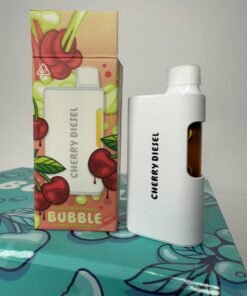

3G DISPOSABLES
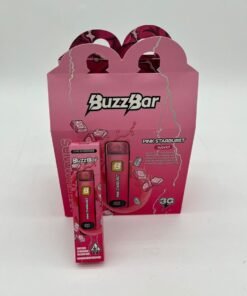

3G DISPOSABLES
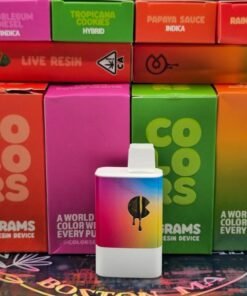

3G DISPOSABLES
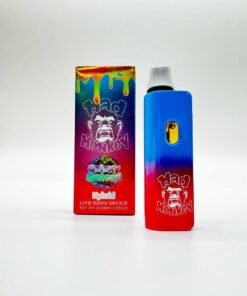
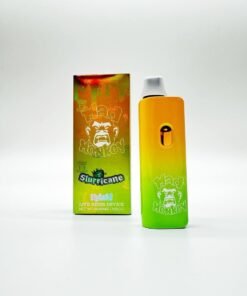
3G DISPOSABLES
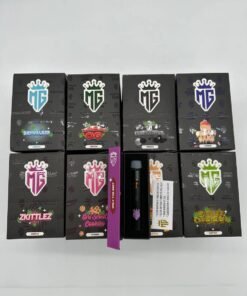
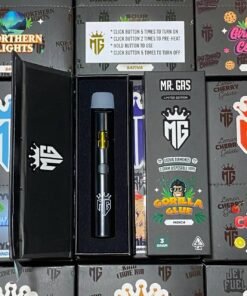
3G DISPOSABLES

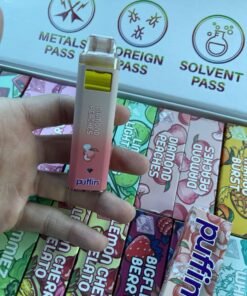
3G DISPOSABLES